February 18, 2026
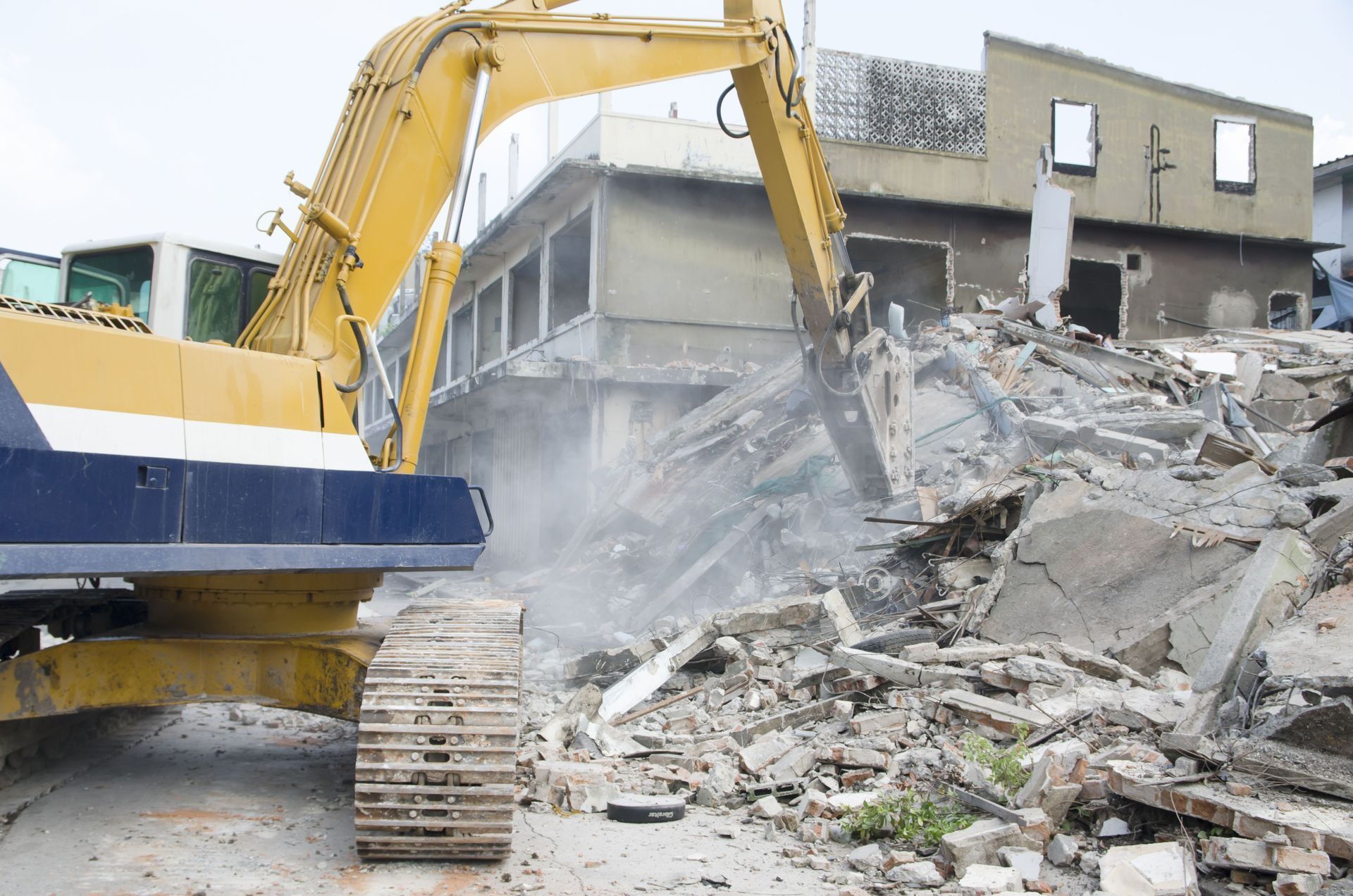
Renovation is about more than new finishes and modern layouts—it begins with carefully removing what no longer serves the space. Demolition plays a critical role in setting the stage for safe, efficient, and successful improvements. When done correctly, it transforms outdated structures into a clean slate for progress.
Clearing the Way for Structural Improvements
Before any renovation can move forward, existing materials must be evaluated and selectively removed. Strategic demolition allows contractors to expose framing, foundations, and load-bearing elements so they can be inspected and upgraded as needed. This process helps identify hidden issues such as rot, water damage, or outdated construction methods that could compromise a new build if left unaddressed.
By removing unnecessary walls, ceilings, or flooring, property owners gain flexibility in redesigning layouts. Open floor plans, expanded rooms, and improved traffic flow all become possible once the underlying structure is revealed. This initial clearing phase ensures that renovation plans are based on the actual condition of the property rather than assumptions hidden behind finished surfaces.
Enhancing Safety and Code Compliance
Older buildings often contain materials or systems that no longer meet modern safety standards. This can include outdated wiring, weakened structural elements, or hazardous substances like asbestos or lead-based paint. Through controlled demolition, these hazardous components can be safely eliminated, reducing the risk of accidents and exposure during renovation. By systematically removing unsafe materials, contractors create a safer environment for both workers and occupants. This step is essential for protecting workers during renovation and ensuring the finished property complies with current building codes, which are designed to safeguard both people and property.
Safety considerations extend beyond the jobsite. Removing deteriorated elements reduces the risk of future failures that could endanger occupants, such as collapsing walls or faulty wiring. It also allows space for updated electrical, plumbing, and HVAC systems that meet today’s performance and efficiency requirements.
Supporting Sustainable Waste Management
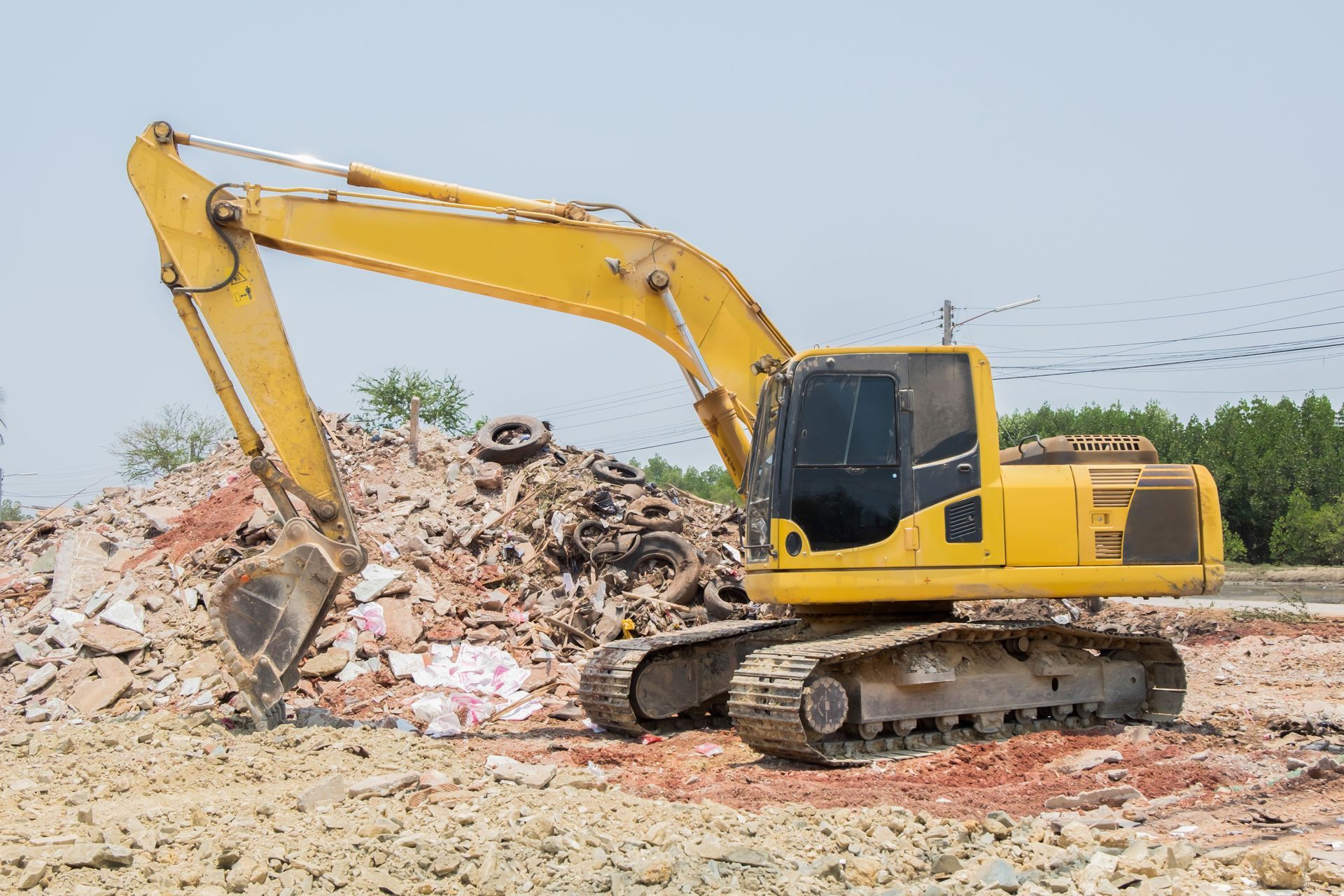
Renovation projects generate a significant amount of debris, making responsible waste handling a key concern. According to EPA, construction and demolition waste accounted for a significant amount of debris with 600 million tons of C&D debris generated in the US. This enormous volume highlights the importance of thoughtful planning during the demolition phase to minimize environmental impact. Proper planning helps separate reusable or recyclable materials from true waste, ensuring that as much material as possible is diverted from landfills and put to productive use.
Materials such as metal, concrete, and wood can often be salvaged or recycled when removed carefully. Even fixtures, cabinetry, and certain finishes can be refurbished or donated, extending their life and reducing overall waste. This approach not only minimizes landfill use but can also lower disposal costs and create opportunities for sustainable material sourcing. Sustainable practices during this phase align renovation goals with broader environmental responsibility, benefiting both property owners and communities while supporting greener, more efficient building practices for the future.
Improving Project Efficiency and Cost Control
A well-executed demolition phase streamlines the entire renovation timeline. By removing obstacles early, contractors can work more efficiently without unexpected delays caused by hidden issues such as damaged framing, outdated wiring, or concealed plumbing problems. Clear access to structural elements simplifies measurements, planning, and coordination among different trades involved in the renovation, allowing each phase of work to proceed in the correct sequence. This clarity reduces downtime between tasks and helps maintain steady progress from start to finish.
Cost control is another major advantage. Addressing potential problems at the start prevents expensive change orders later in the project that can disrupt both schedules and budgets. Early identification of necessary repairs or upgrades allows for realistic planning and informed decision-making. Knowing exactly what remains—and what has been removed—allows for more accurate budgeting and scheduling, helping renovations stay on track while minimizing financial surprises for property owners.
Creating a Blank Canvas for Design Vision
Renovation is ultimately about transformation, and that transformation starts with subtraction. Thoughtful demolition provides designers and property owners with a true blank canvas to reimagine the space. By removing walls, finishes, and structural elements that no longer serve the property, the full potential of the interior can be revealed. Without the constraints of outdated layouts or finishes, creative solutions can take shape more freely, allowing designers to explore improved flow, better lighting, and more efficient use of square footage.
This freedom supports customization, whether the goal is modernizing a home, reconfiguring a commercial space, or improving functionality. Open concepts, flexible workspaces, or enhanced accessibility become easier to achieve when the old framework has been cleared away. By starting from a clean foundation, renovation decisions are driven by vision and purpose rather than limitations imposed by the past, resulting in spaces that better reflect current lifestyles, business needs, and long-term goals.
Protecting the Integrity of Adjacent Spaces
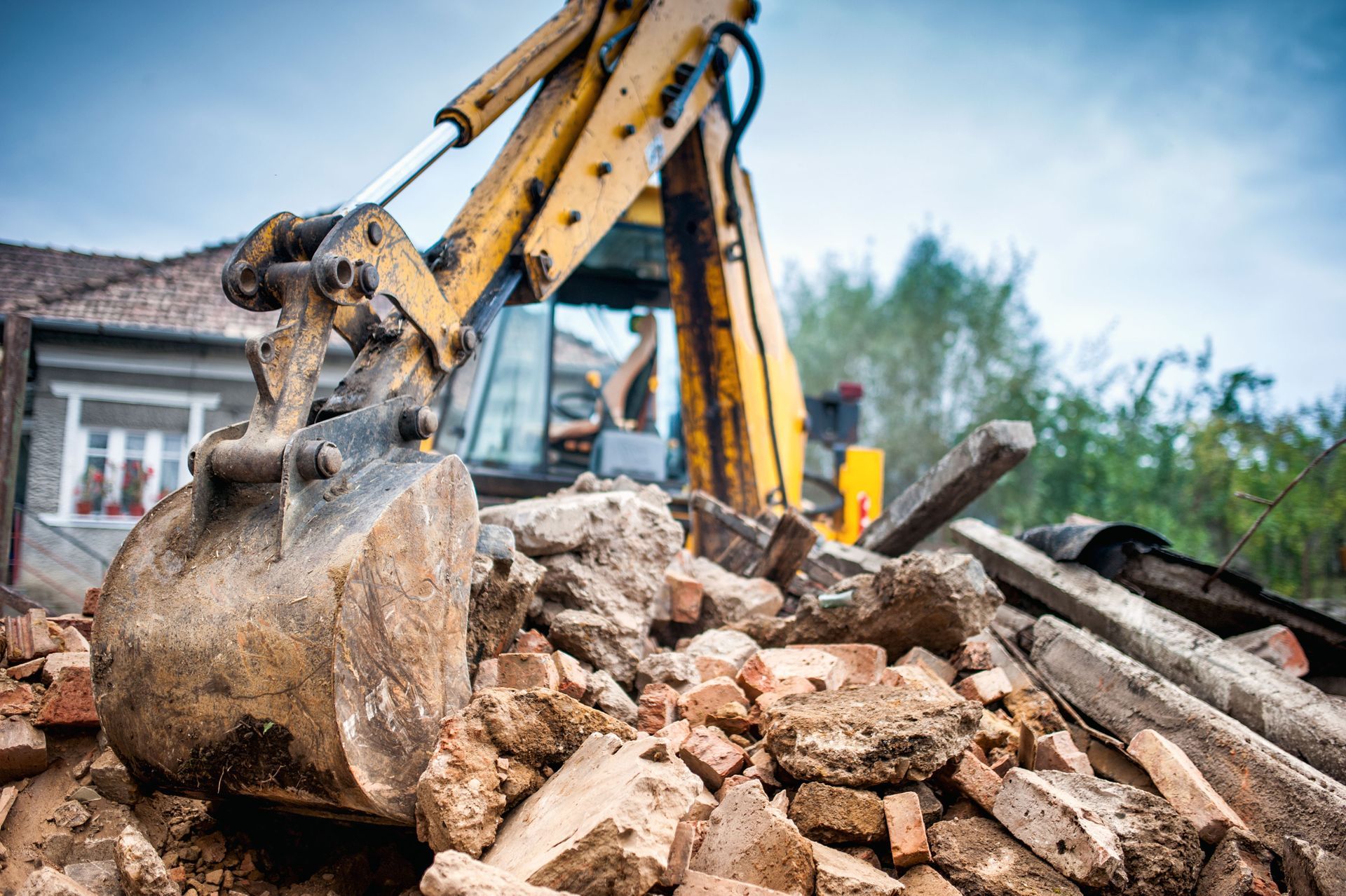
Selective removal is just as important as what is taken out. Skilled teams carefully assess the structure to determine which elements can be removed without compromising stability or safety. By isolating specific walls, floors, or fixtures, they ensure that surrounding areas remain intact while targeted sections are removed. This precision preserves structural integrity and reduces the risk of damage to neighboring rooms or properties, especially in shared buildings or closely spaced developments.
Careful planning also minimizes noise, dust, and disruption, which is especially important in occupied buildings or urban environments. Protective barriers, controlled equipment use, and organized debris removal help limit the impact on daily activities. Protecting what stays in place ensures the renovation progresses smoothly without unnecessary repairs or setbacks, saving both time and money while maintaining a safer, more controlled work environment.
Preparing for Long-Term Performance
Renovations should deliver lasting value, not short-term fixes. By addressing underlying issues during the early stages, demolition helps create a solid foundation for long-term performance. When hidden damage, outdated materials, or inefficient layouts are uncovered and removed, contractors can correct structural weaknesses before new construction begins. This proactive approach reduces the risk of premature repairs and costly disruptions after the renovation is complete. Updated structures, systems, and layouts are more durable when built on properly prepared surfaces, allowing them to perform as intended for years to come.
This preparation supports energy efficiency, maintenance ease, and adaptability for future changes. Clear access to framing and infrastructure allows for improved insulation, modern wiring, and upgraded mechanical systems that enhance overall performance. A renovation that begins with thorough removal of outdated elements is better positioned to meet evolving needs over time, whether that includes technological upgrades, changes in occupancy, or future expansions without requiring major rework.
Enabling Clear Communication and Planning
Opening up a structure allows all stakeholders to see the same conditions and challenges. Architects, contractors, and property owners can collaborate more effectively when nothing is hidden. This transparency improves decision-making and reduces misunderstandings during renovation.
Clear visibility also supports accurate documentation and planning approvals. When existing conditions are fully exposed, designs and permits can be aligned more closely with reality, avoiding surprises during construction.
Demolition is not simply about tearing things down—it is about preparing a property for meaningful improvement. By clearing, protecting, and planning thoughtfully, it lays the groundwork for safer, more efficient, and more sustainable renovations. Starting with the right preparation ensures that what comes next is built to last. If you are looking for a reliable demolition company, contact RVA Hauling & Demo today to learn more and get started!