June 12, 2026
The process of dismantling a structure is far more than a simple act of destruction; it is a highly choreographed engineering feat that prioritizes the preservation of life and property above all else. In the past, the industry was often viewed through a lens of chaos and brute force, but the landscape has shifted toward a sophisticated methodology rooted in precision. Modern demolition services now operate under rigorous standards that blend advanced technology with strict regulatory compliance. This evolution ensures that when a building reaches the end of its functional life, its removal does not pose a threat to the surrounding community or the environment.
Safety in this field is a multi-layered discipline that begins long before the first piece of equipment arrives on the site. It involves a deep understanding of structural physics, hazardous material management, and urban planning. As cities become more densely populated, the margin for error shrinks, necessitating a level of care that was once unimaginable. Every swing of a wrecking ball or high-reach arm is the result of countless hours of preparation and risk assessment. By examining the core safety practices of contemporary providers, we gain insight into how this vital industry protects the public while clearing the way for future growth.
Conducting Comprehensive Site Audits
A dependable project begins with an exhaustive investigation into the history and condition of the structure. Before any physical work commences, demolition services must identify potential hidden dangers that could compromise the safety of the crew or the public. This process involves reviewing original blueprints, examining the integrity of load-bearing elements, and identifying the locations of active utility lines. Without a clear map of the building’s internal skeleton, the risk of an unplanned collapse increases significantly. This diagnostic phase is the cornerstone of a safe operation, providing the data necessary to choose the most appropriate method of dismantling.
Environmental hazards are also a primary focus during these initial audits. Many older buildings contain substances that were once common in construction but are now known to be toxic. Professionals must test for the presence of dangerous fibers, lead-based coatings, and other chemical residues. If these materials are discovered, they must be safely removed and disposed of following strict environmental protocols before the main structural removal begins. This proactive approach prevents the release of harmful particles into the atmosphere, safeguarding the health of the neighborhood and the workers alike.
Implementing Rigorous Hazard Mitigation
Once the site has been thoroughly audited, the focus shifts to neutralizing every identified threat. This phase of the project is where the true expertise of modern demolition services is most apparent. It involves the systematic disconnection of water, gas, and electrical services to prevent fires, explosions, or flooding during the work. Furthermore, the surrounding area must be secured with heavy-duty fencing, clear signage, and often, pedestrian canopies. Protecting the public from falling debris or unauthorized entry is a non-negotiable requirement of any professional site.
Hazard mitigation also extends to the structural stability of adjacent buildings. In tight urban environments, a structure scheduled for removal may share a wall or a foundation with a neighboring property. Engineers must design temporary shoring and bracing systems to ensure that the surrounding infrastructure remains undisturbed. By controlling every variable, the team creates a "bubble" of safety that contains the energy of the work within the project boundaries. This meticulous attention to detail is what allows complex projects to proceed in the heart of busy metropolitan areas without incident.
Utilizing Advanced Mechanical Technology
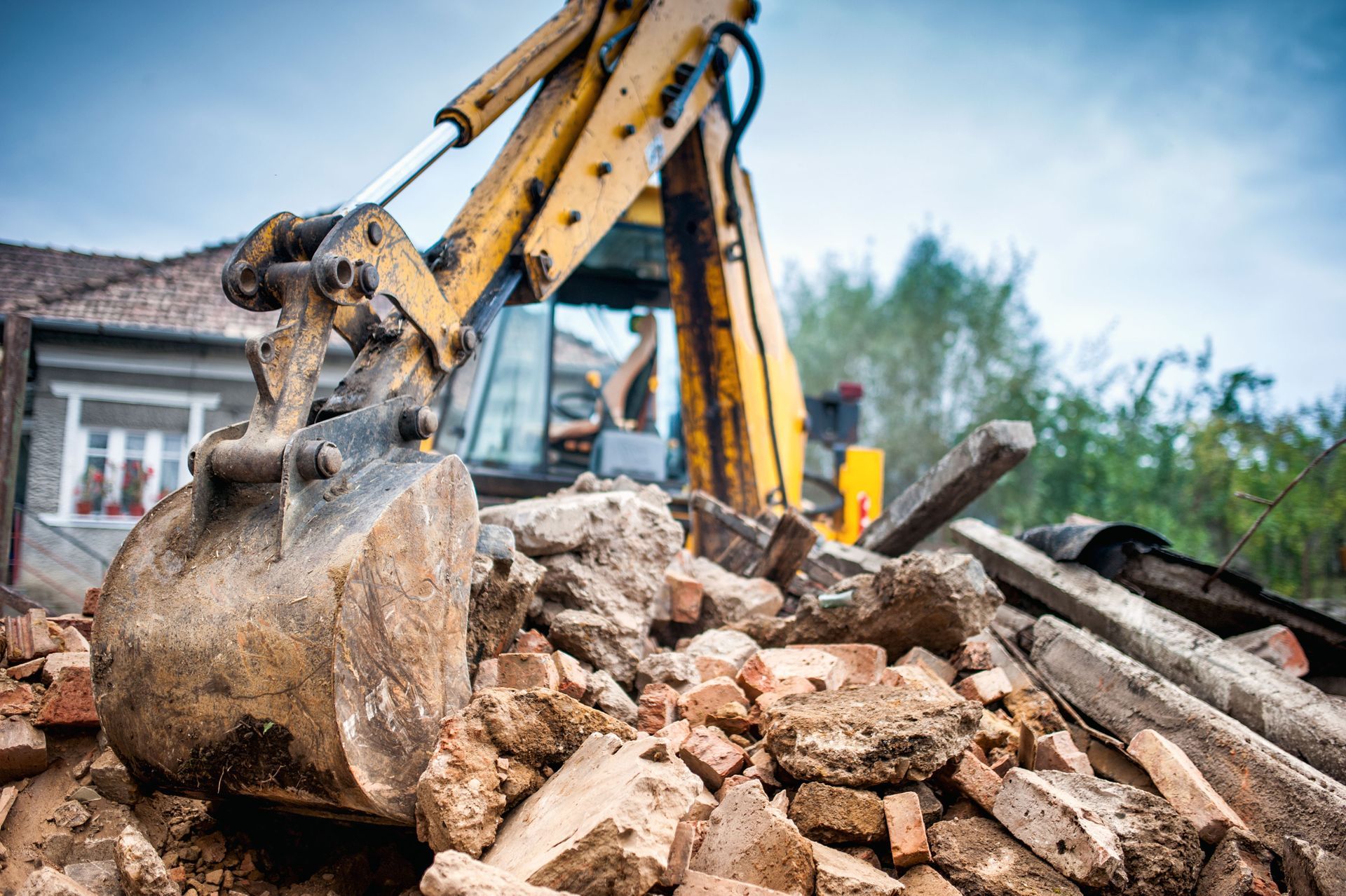
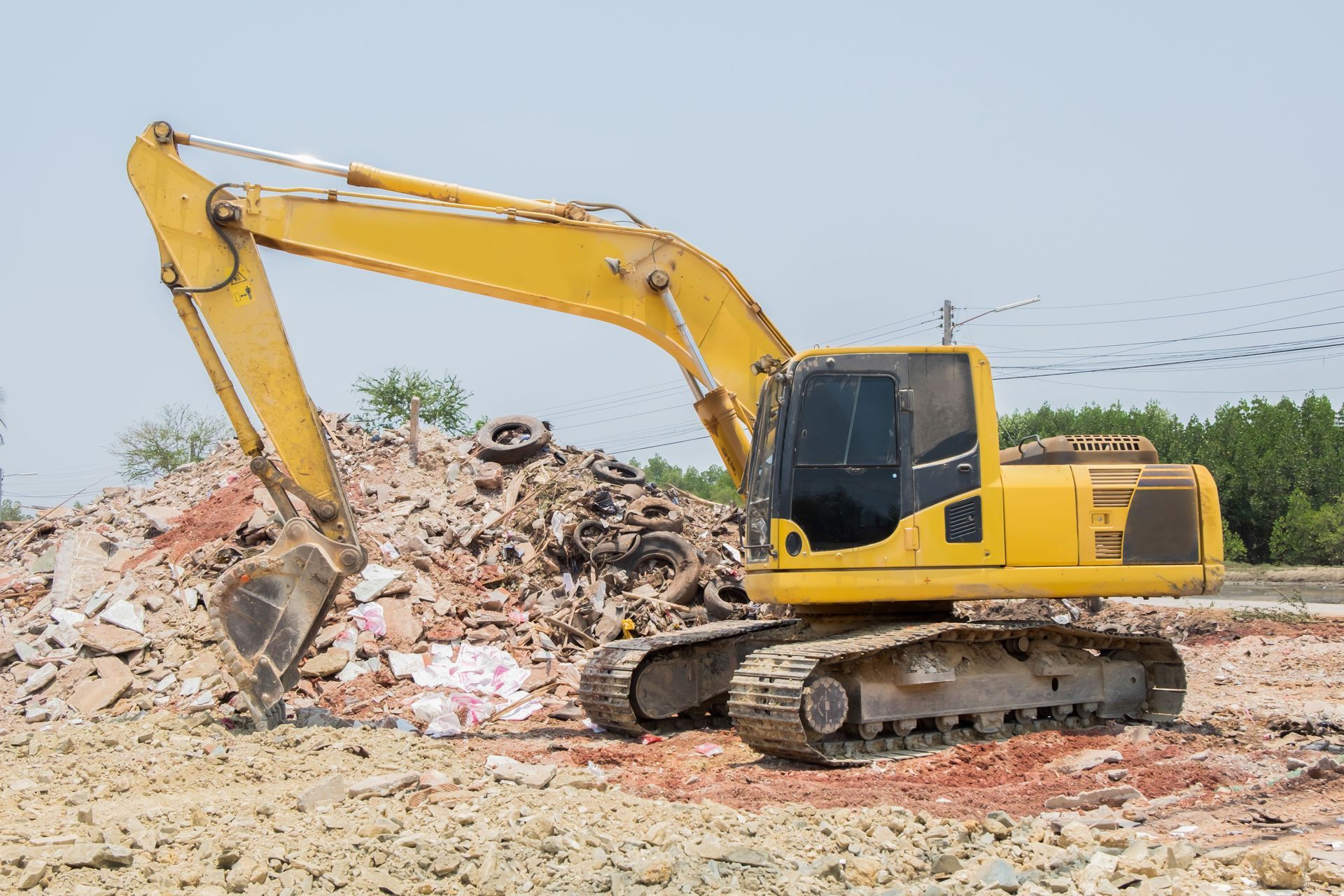
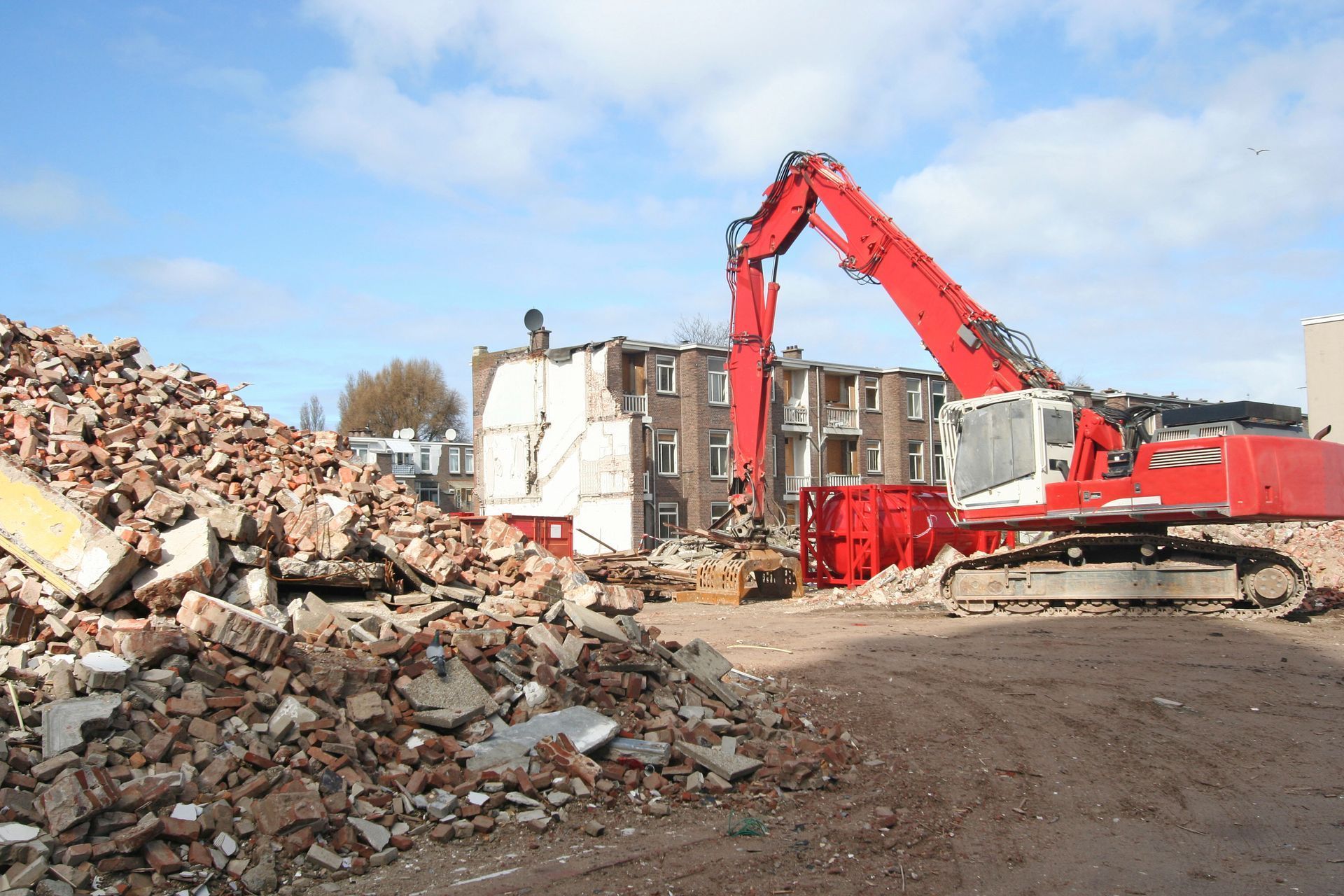
The shift from manual labor to high-tech machinery has revolutionized safety within the industry. Modern demolition services utilize specialized equipment designed to keep operators at a safe distance from the point of impact. High-reach excavators, equipped with precision shears and crushers, allow for the dismantling of tall structures from the ground level. These machines are often outfitted with high-definition cameras and sensors that provide the operator with a detailed view of the work area, even in dusty conditions. This technology removes the need for workers to be stationed on unstable floors or near falling materials.
Remote-controlled robots have also become a staple on high-risk sites. These machines can enter areas that are too dangerous for humans, such as confined spaces or structures with severe fire damage. According to IBISWorld data, there are exactly 4,772 operational enterprises functioning within the American wrecking and demolition sphere as of 2025. The most successful of these organizations are those that invest in these mechanical advancements to minimize human exposure to risk. By substituting muscle with precision hydraulics, the industry has significantly reduced the rate of workplace injuries while increasing the speed and accuracy of the work.
Managing Airborne Dust Suppression
One of the most persistent challenges in structural removal is the management of dust. The crushing of concrete and the tearing of drywall create clouds of fine particulate matter that can travel far beyond the site if not properly contained. To combat this, professional demolition services employ sophisticated dust suppression systems. This often involves the use of high-pressure water misting cannons that "knock" the dust out of the air before it can drift. By saturating the debris at the source, the team ensures that the air quality in the surrounding community remains within safe limits.
In addition to water cannons, specialized vacuums and air filtration systems are used during interior work to prevent the spread of dust through ventilation shafts or open doorways. This is particularly important when working in sensitive environments like hospitals or residential complexes. The goal is to make the project as invisible as possible to those living and working nearby. Effective dust control is not just a health requirement; it is a sign of a service that respects the community and takes its environmental responsalibities seriously.
Enforcing Strict Personnel Training
No amount of technology can replace the need for a highly trained and disciplined workforce. Safety culture is the heartbeat of modern demolition services, and it is maintained through constant education and rigorous enforcement of protocols. Every person on a site must be well-versed in the use of personal protective equipment, the handling of specialized tools, and the procedures for emergency response. Regular safety briefings, often held daily, keep the crew focused on the specific risks associated with the day’s tasks.
This training also emphasizes the importance of clear communication. On a loud and busy site, hand signals, radio protocols, and visual markers are essential for coordinating the movement of heavy machinery and ground crews. Workers are encouraged to speak up if they observe a potential hazard, fostering a collaborative environment where safety is everyone’s responsibility.
In summary, the transition from old-school wrecking to modern structural dismantling is defined by a deep-seated commitment to safety. Through the integration of advanced engineering, high-tech machinery, and a culture of constant vigilance, the industry has become a model of risk management. These practices protect the workers on the front lines, the families in the neighborhood, and the environment we all share. Choosing a professional partner for these tasks means choosing a team that values human life and community well-being above all else.
As the collective voice of our company, we understand that trust is the most important foundation we build. At RVA Hauling & Demo, we combine industry-leading safety protocols with a dedication to efficiency to ensure your project is completed without a hitch. Let us help you clear the way for your next big idea with the precision and care you deserve.