March 14, 2026
The decision to clear a site for new development is a major milestone in any construction journey. Whether you are removing a hazardous old shed or leveling a massive commercial complex, the process requires more than just heavy machinery and brute force. It demands a strategic approach to safety, environmental stewardship, and logistical precision. Understanding the phases of this process helps homeowners and developers navigate the complexities of site preparation with confidence.
Understanding Project Scope
Every structure presents a unique set of challenges based on its materials, age, and proximity to other buildings. The first step in any successful project is a comprehensive evaluation of these factors. Professionals categorize work into selective dismantling—where certain elements are preserved—or total deconstruction. Identifying the specific needs of the site early on ensures that the right tools are deployed and that the surrounding environment remains undisturbed.
Detailed planning during this phase involves more than just a walkthrough. Experts use advanced technology, such as 3D modeling and drones, to map out the structural integrity of the building. This high-tech assessment allows demolition services to predict how a building will react during the deconstruction process, preventing unexpected collapses. By establishing a clear scope, the team can provide an accurate timeline and budget, ensuring there are no financial surprises as the project moves forward.
Prioritizing Site Safety
Safety is the non-negotiable foundation of the industry. Because deconstruction involves high-risk environments, strict adherence to federal and local regulations is mandatory. This includes the use of personal protective equipment, the establishment of secure perimeters, and the implementation of rigorous fire safety protocols. A professional team doesn't just show up and start swinging; they execute a choreographed safety plan designed to protect both the workers on-site and the public in the surrounding neighborhood.
Beyond physical safety, compliance with legal standards is essential for project integrity. This involves managing permits, coordinating with utility companies, and ensuring that all personnel are highly trained and certified. When you hire reputable demolition services, you are investing in a team that understands the legal landscape, which significantly reduces the risk of costly fines or project delays due to safety violations.
Reducing Environmental Impact
Modern deconstruction is as much about what is saved as what is removed. The industry has shifted toward sustainable practices that prioritize the diversion of materials from local landfills. This ecological focus is not just a trend; it is a response to the massive volume of waste generated by the building industry every year.
According to the EPA, construction and demolition waste makes up approximately 40% of the entire U.S. waste stream. To combat this, leading demolition services implement sophisticated sorting processes on-site. Materials like concrete are often crushed for use as road base, while metals are sold for scrap and high-quality timber is reclaimed for architectural reuse. By choosing a provider that emphasizes these eco-friendly practices, you contribute to a more sustainable circular economy and ensure your project meets modern environmental standards.
Preparing the Grounds
Before the first piece of equipment arrives, the site must be meticulously prepared. This phase includes the critical task of utility disconnection. Failing to properly decommission gas, water, and electrical lines can lead to catastrophic accidents. Professionals work directly with utility providers to verify that all connections are severed and capped at the source. This ensures that the structural deconstruction can proceed without the risk of electrical fires or water damage.
Site preparation also involves clearing the surrounding area of obstructions and securing the perimeter. This prevents unauthorized access and keeps debris contained within the work zone. During this time, demolition services will also perform a final hazardous material sweep to ensure that substances like asbestos or lead paint are handled according to specialized abatement protocols. Proper preparation is the silent engine that drives the efficiency of the entire process.
Executing Structural Deconstruction
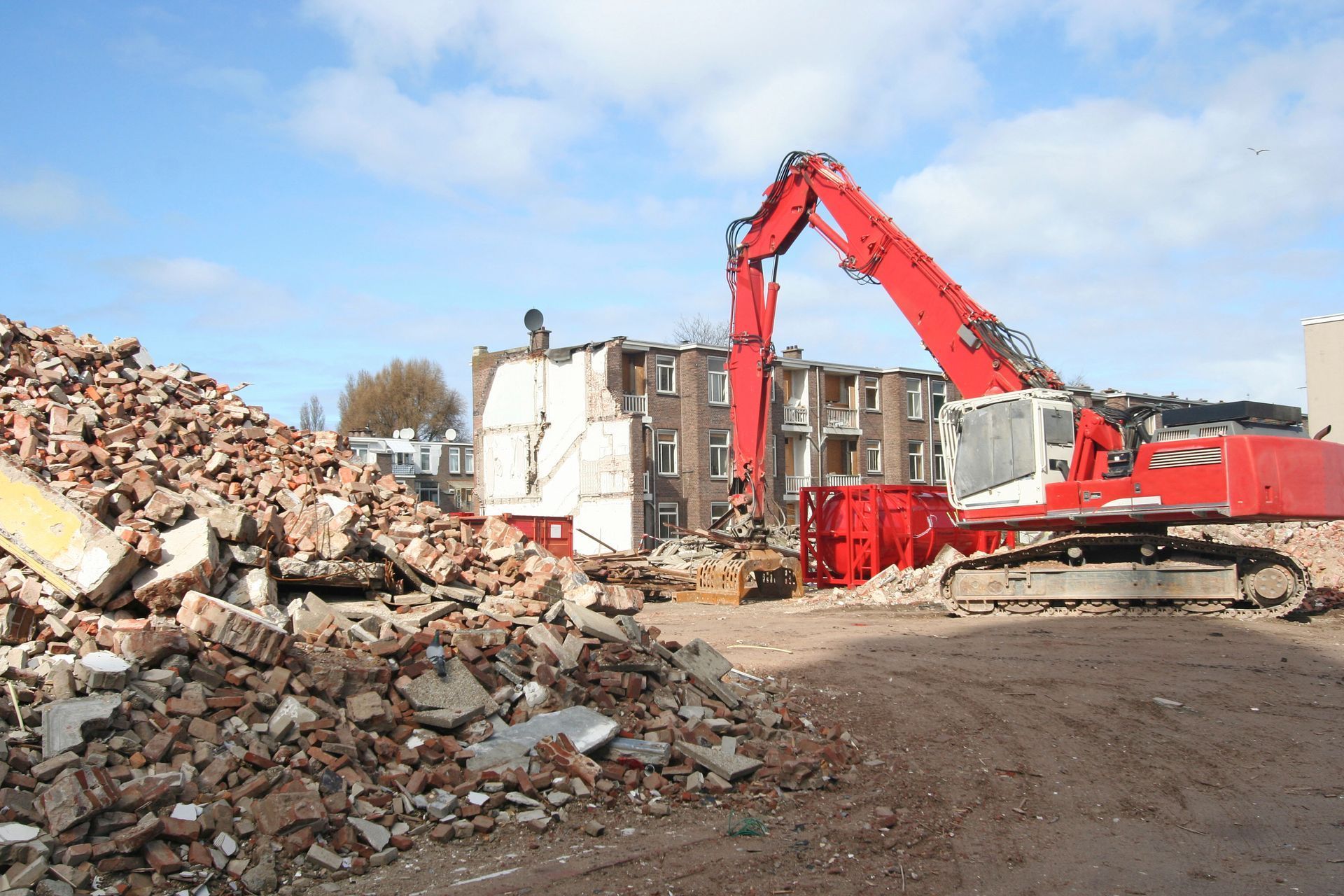
The actual dismantling of a structure is a controlled, step-by-step process. Depending on the size of the building, teams may use high-reach excavators, wrecking balls, or even manual labor for delicate interior work. The goal is always to bring the structure down in a way that minimizes dust, noise, and vibration. This is particularly important in dense urban environments where neighboring buildings are only a few feet away.
Throughout the execution phase, communication remains a top priority. Project managers provide regular updates to stakeholders, ensuring that milestones are being met and that the timeline remains on track. Professional demolition services are adept at adjusting their techniques mid-project if unforeseen structural issues are discovered, maintaining a steady pace while never compromising on the primary goal of a safe, controlled removal.
Managing Post-Demolition Cleanup
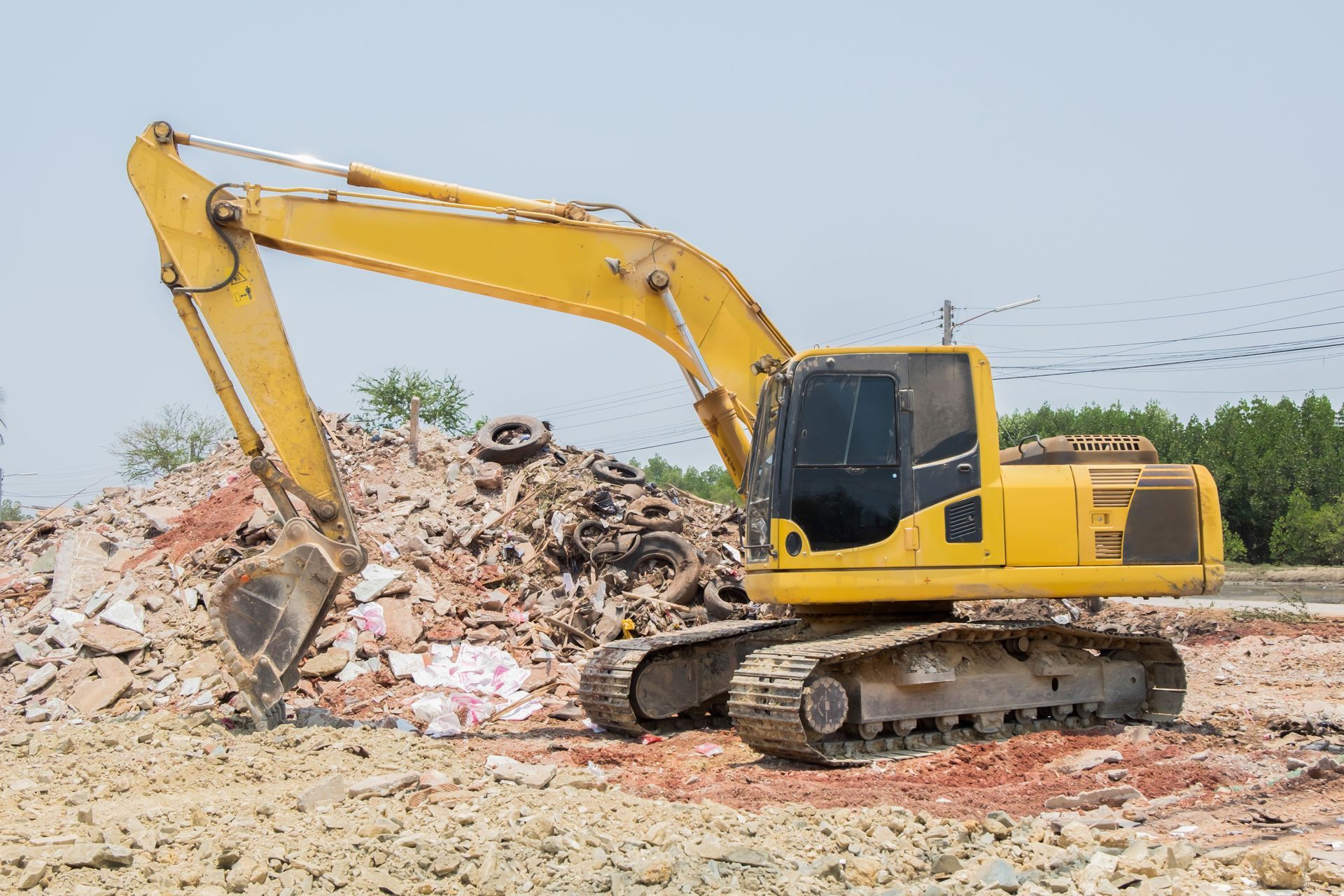
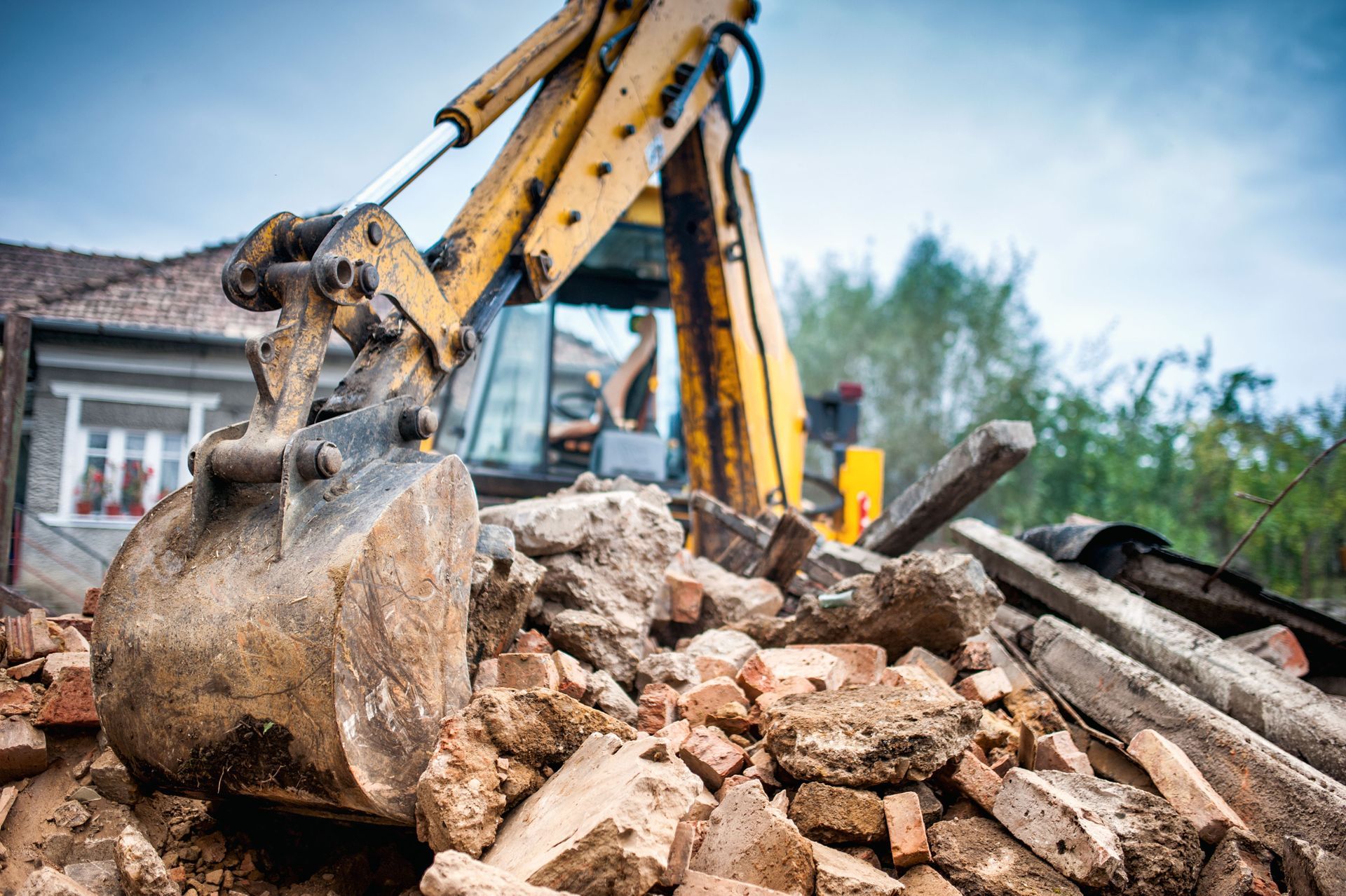
Once the structure is down, the focus shifts to the massive task of debris management. A site filled with rubble is not ready for construction; it must be graded and cleared to specifications. This involves hauling away tons of material and ensuring the ground is stable for future foundations. Systematic sorting continues during this phase to maximize the amount of material that can be recycled rather than discarded.
The final cleanup is followed by a post-service assessment. This walkthrough verifies that the site meets all regulatory requirements and is ready for the next phase of development. Top-tier demolition services provide comprehensive documentation of the work performed, including disposal receipts and safety reports. This transparency gives the property owner peace of mind, knowing that the site has been handled professionally from the initial consultation to the final sweep.
Evaluating Service Providers
When choosing a partner for your project, experience and specialization are the most important metrics. A company with a long history of successful projects will be better equipped to handle the logistical hurdles of permitting and waste disposal. You should look for a provider that offers a comprehensive suite of options, from interior gutting to full structural removal, to ensure they have the versatility your specific site requires.
Checking client testimonials and safety records provides a window into the company's culture. A firm that prioritizes clear communication and after-service support is far more likely to deliver a project on time and within budget. High-quality demolition services act as a partner in your development goals, providing the specialized equipment and technical expertise necessary to clear the path for your new vision safely and efficiently.
Hiring professional demolition services is about more than just clearing space; it is about managing risk, protecting the environment, and setting the stage for future growth. From the initial site assessment to the final cleanup, every step is designed to ensure that the transition from old to new is as seamless as possible. By prioritizing expertise and safety, you ensure that your project starts on the right foot, with a clean slate and a solid foundation.
If you are planning a renovation or a total site overhaul, don't leave the safety of your property to chance. Engaging a team with a proven track record of excellence is the most effective way to protect your investment. A professional approach minimizes disruptions, maximizes material recovery, and provides the assurance that your project will be completed with the highest level of integrity.
For expert assistance in transforming your property and ensuring a safe, compliant deconstruction, contact Rose Septic Tank Cleaning Inc to discuss your project needs.